

Pest control is a major concern for homeowners and businesses alike, as pests can pose considerable risks to health, real estate, and overall tranquility. As we seek out sustainable living practices, environmentally friendly solutions for pest control have emerged as efficient alternatives to traditional methods. Understanding how to address infestations while also being respectful to the environment is crucial in the modern era.
In this article, we will explore a variety of eco-friendly pest management strategies, along with essential tips to identify signs of infestations and how to select the best pest control company. From recognizing common household pests to discovering what preventive measures can be taken, we aim to arm you with the insight you need to protect your space from unwanted guests while being aware of the environmental impact.
Recognizing the Importance for Expert Pest Control
Recognizing the symptoms of a pest issue in your home is essential to ensuring a healthy living environment. Frequent clues include droppings, odd noises in the interior, or the appearance of nests. If you perceive an uptick in these indicators, it is important to take steps. Overlooking these problems can lead to larger infestations, making the situation more complex and financially burdensome to resolve later on.
An additional red flag is the appearance of the pests themselves. If you see recurring instances of rodents, insects, or vermin, it suggests a likely infestation that may require professional help. Many household pests multiply quickly, which can escalate an initially manageable problem into a much more substantial challenge. Spotting these signs early can preserve you hours, financial resources, and stress down the line.
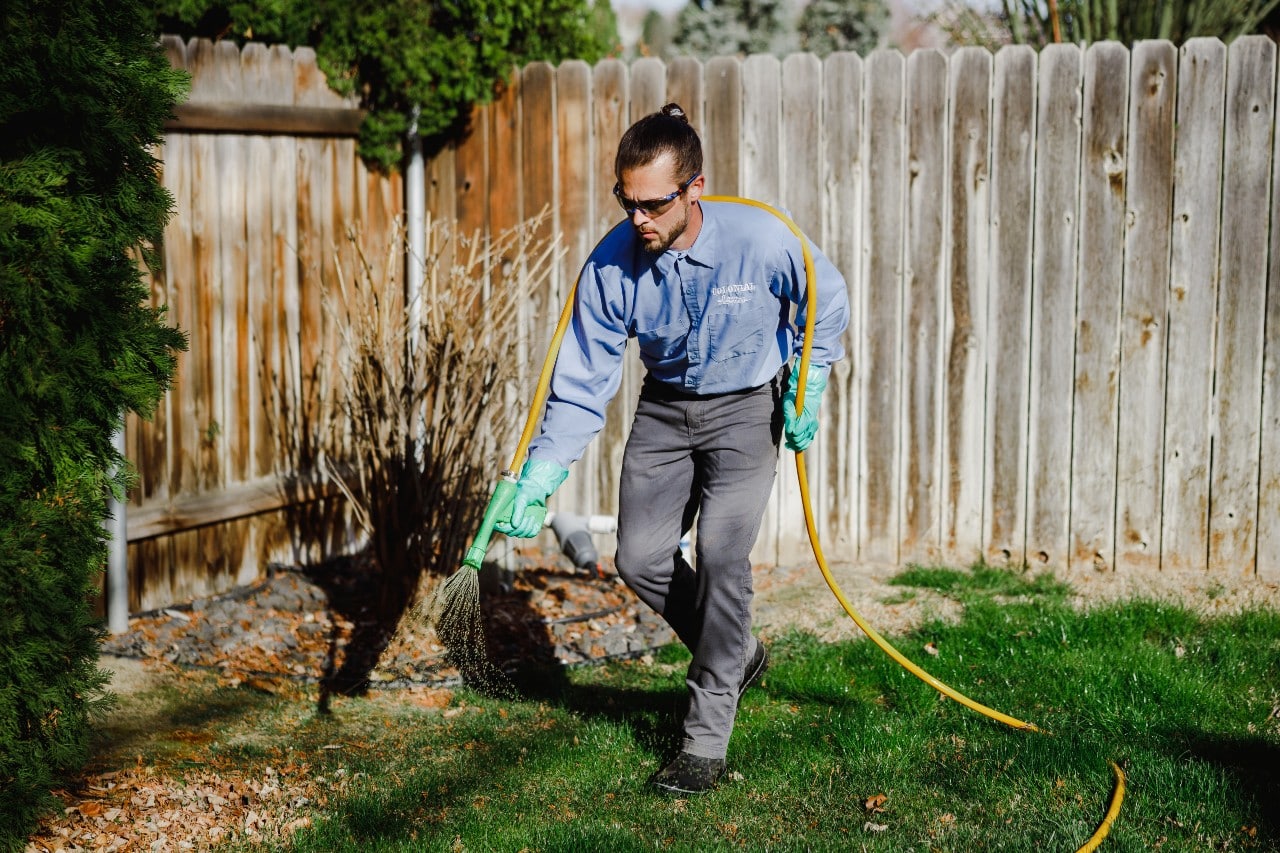
Additionally, if you engage in do-it-yourself remedies but discover they are not working, it may be the right moment to seek expert help. DIY methods can on occasion address small issues, but they usually fall short against serious infestations. Professionals have access to the necessary tools, knowledge, and environmentally safe treatments that can deliver long-lasting solutions and prevent future pest issues. Knowing when to contact the specialists is an essential step in effective pest control.
Opting for the Right Pest Control Service
As you pick a pest management service, it’s vital to investigate and evaluate various choices carefully. Start by searching for companies that are certified and protected, as this ensures that they are qualified to manage pest management safely and effectively. Customer reviews and ratings can give insightful perspectives into the feedback of previous clients. Checking with the Better Business Bureau can also aid identify any issues or troubles with the provider.
Consider the approaches that a pest control service applies. Eco-friendly methods are becoming popular, so it’s beneficial inquirying about their strategy to pest control. Firms that prioritize secure, environmentally friendly methods not just protect your home but also reduce damage to the surroundings. Ensure they offer concise details about the products they employ and how they impact both human health and pets.
Lastly, evaluate the service quality aspect of the provider. A dependable pest control service should be ready to answer questions, offer information on their methods, and offer follow-up plans tailored to your requirements. Open dialogue can make a big difference, especially when handling recurring pest issues. Seek out a company that is quick to respond and helpful throughout the pest management process.
Understanding Eco-Friendly Bug Control Strategies
Green pest management solutions concentrate on using organic materials and holistic approaches to regulate bug numbers efficiently while reducing harm to the ecosystem. Such approaches often utilize biological controls, for example, introducing natural predators or parasites that focus on particular bugs. For instance, releasing ladybugs can aid manage the numbers of aphids, creating a stability in the ecosystem while avoiding relying on synthetic pesticides. By studying the pest's life cycle and activities, these techniques can be customized to disturb their development organically.
Integrated Pest Management (IPM) is another key strategy that emphasizes prevention and integrates various sustainable practices. This involves regular monitoring of insect activity, cultural practices such as crop rotation or hygienic practices, and the implementation of safe repellents. By prioritizing proactive measures initially, IPM assists reduce the chances of pest outbreaks happening in the beginning, effectively reducing the requirement of harsh treatments. you could check here allows residents and businesses alike to cultivate a cleaner environment while dealing with bug-related concerns.
Finally, clients are increasingly drawn to sustainable alternatives provided by bug control companies. These services often employ natural pesticides and eco-friendly repellents that are non-threatening to human health and the environment. Opting for a bug control service that prioritizes sustainable practices not only provides successful pest management but also advocates for larger environmental objectives. As knowledge expands about the dangers of conventional pest management techniques, including the possible health hazards and harm to ecosystems, the need for green, solutions is on the rise. Therefore, sustainable pest management represents a transition towards a greener future in insect control.